
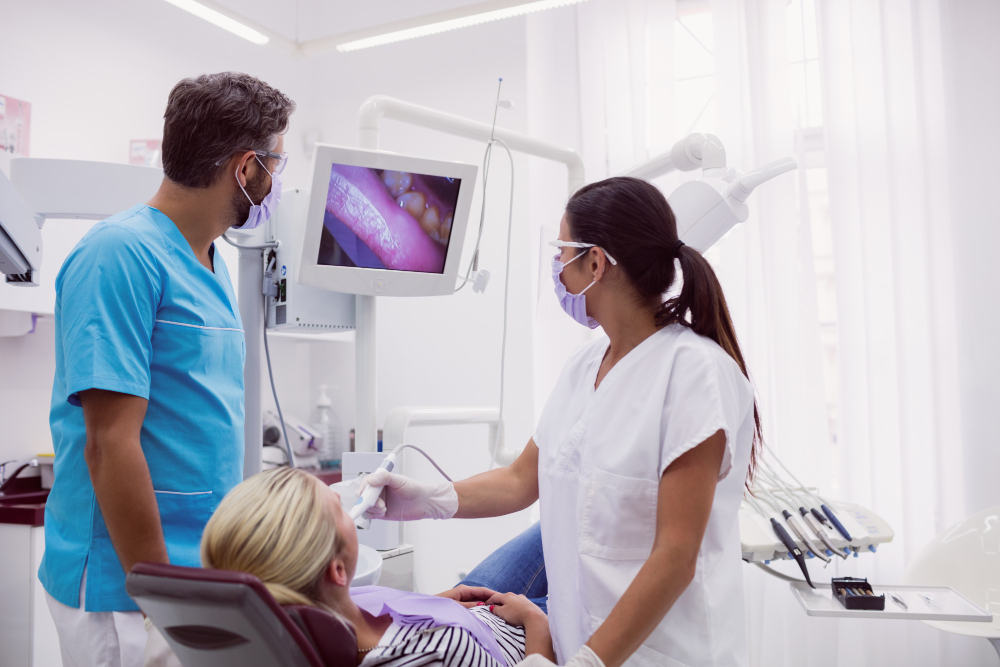
Intraoral scanners are changing the way dentists care for your teeth. These advanced dental tools create digital dental impressions quickly and painlessly. As a result, they help dentists provide better, faster, and more comfortable treatments. The importance of intraoral scanner in dentistry is growing, especially with the rise of digital dental impressions and advanced dental technology. In this blog, you will learn about the benefits of intraoral scanners, how they work, and why they matter for your dental care.
What is an Intraoral Scanner?
An intraoral scanner is a small, handheld device used by dentists. It takes detailed pictures inside your mouth. These pictures are combined to make a 3D digital model of your teeth and gums. Because of this, dentists can see your mouth clearly on a computer screen. This technology is part of modern digital dentistry and helps make dental care more accurate.
How Does an Intraoral Scanner Work?
First, the dentist gently moves the scanner inside your mouth. The scanner uses light to capture thousands of images per second. Then, special software combines these images into a full 3D model. This process is quick and does not cause discomfort. After scanning, the dentist can use the digital model to plan your treatment or make dental devices like crowns or aligners.
Key Benefits of Intraoral Scanners for Patients
Intraoral scanners offer many advantages for patients. Here are some of the main benefits:
Advantages for Dentists and Dental Practices
Intraoral scanners also help dentists and their teams. For example, they:
Because of these benefits, many modern dental clinics now use intraoral scanners as part of their daily care.
Comparison: Intraoral Scanners vs. Traditional Impressions
Traditional dental impressions use trays filled with sticky material. This can feel uncomfortable and may cause gagging. In contrast, intraoral scanners are quick and clean. Here is a simple comparison:
Overall, intraoral scanners offer a better experience for both patients and dentists.
Common Uses in Dental Treatments
Intraoral scanners are used in many dental treatments. For instance, they help with:
Because of their accuracy, intraoral scanners improve results in all these treatments.
Patient Experience and Comfort
Many patients worry about dental visits. However, intraoral scanners help make the experience easier. For example, you do not need to bite into sticky materials. The scanning process is fast and gentle. Most people feel more relaxed and comfortable during their visit. In addition, you can see your teeth on a screen, which helps you understand your treatment better.
Future of Intraoral Scanning in Dentistry
Intraoral scanners are part of the future of dental care. As technology improves, scanners will become even faster and more accurate. Soon, more dental clinics will use them for all types of treatments. This means better care, less waiting, and more comfort for patients. According to studies in dental journals, digital dental impressions are becoming the new standard worldwide.
Frequently Asked Questions (FAQ)
In summary, intraoral scanners are a key part of advanced dental technology. They make dental visits easier, faster, and more comfortable for everyone. Consult your dentist at Smileton Dental to learn how intraoral scanners can improve your dental care experience.