
What is Oral Cancer?
Oral cancer is a type of cancer that starts in the mouth. It can affect the lips, tongue, cheeks, gums, or the roof and floor of the mouth. Because oral cancer can spread quickly, early detection is very important. According to the World Health Organization (WHO), oral cancer is a serious health concern worldwide. Many people do not notice the early signs. However, knowing the symptoms and risk factors can help you seek care sooner.
Symptoms of Oral Cancer
Oral cancer signs can be easy to miss at first. Still, it is important to watch for changes in your mouth. Early symptoms may include:
If you notice any of these oral cancer symptoms for more than two weeks, see a doctor or dentist. Early action can make treatment more effective.
Causes and Risk Factors
Several factors can increase your risk of developing mouth cancer. Some risk factors can be controlled, while others cannot. Common causes and risk factors include:
For example, people who both smoke and drink alcohol have a much higher risk. But even non-smokers can develop oral cavity cancer. Knowing your risk can help you take steps to protect your health.
How Oral Cancer is Diagnosed
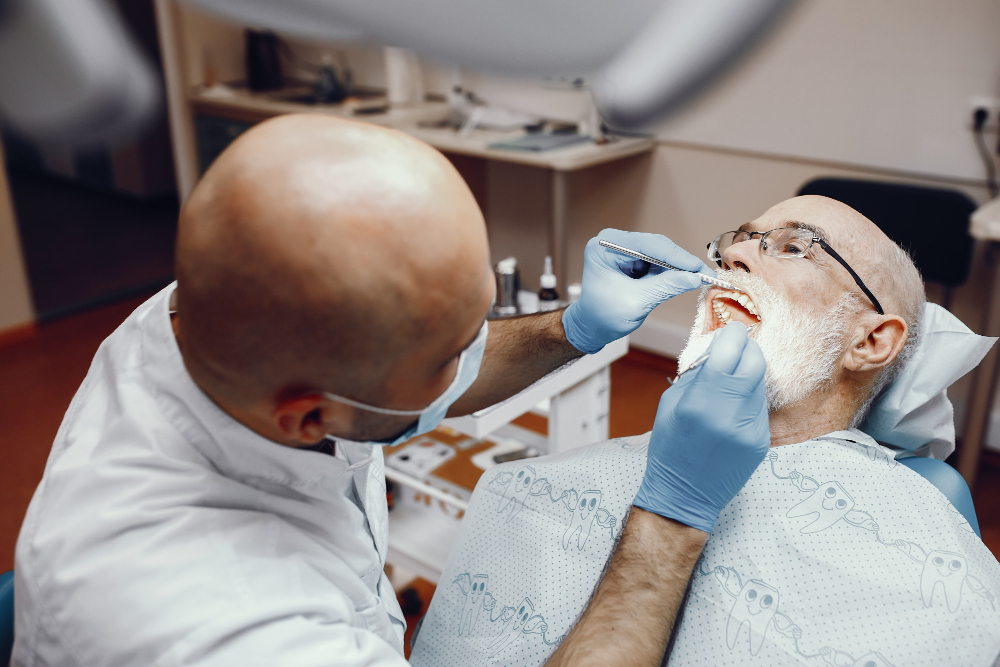
Doctors use several methods to diagnose oral cancer. First, your dentist or doctor will examine your mouth for any unusual changes. If they find a suspicious area, they may:
Early diagnosis is key. Therefore, regular dental check-ups can help catch oral cancer signs before they become serious.
Treatment Options for Oral Cancer
Oral cancer treatment depends on the size, location, and stage of the cancer. Your doctor may recommend one or more of the following:
Sometimes, a team of specialists will work together to create the best plan. Early-stage mouth cancer is often easier to treat. However, advanced cases may need more complex care. Always discuss your options with your healthcare team.
Prevention Tips
While not all cases can be prevented, you can lower your risk of oral cancer by making healthy choices. Consider these tips:
By following these steps, you can help reduce your risk of developing oral cavity cancer.
Living with Oral Cancer: Lifestyle Guidance
After an oral cancer diagnosis, life can feel overwhelming. Yet, many people continue to live full lives with the right support. Here are some helpful tips:
Remember, you are not alone. Many resources are available to help you manage both the physical and emotional effects of oral cancer.
Consult Smileton Dental for personalized guidance from a dental or medical specialist.