
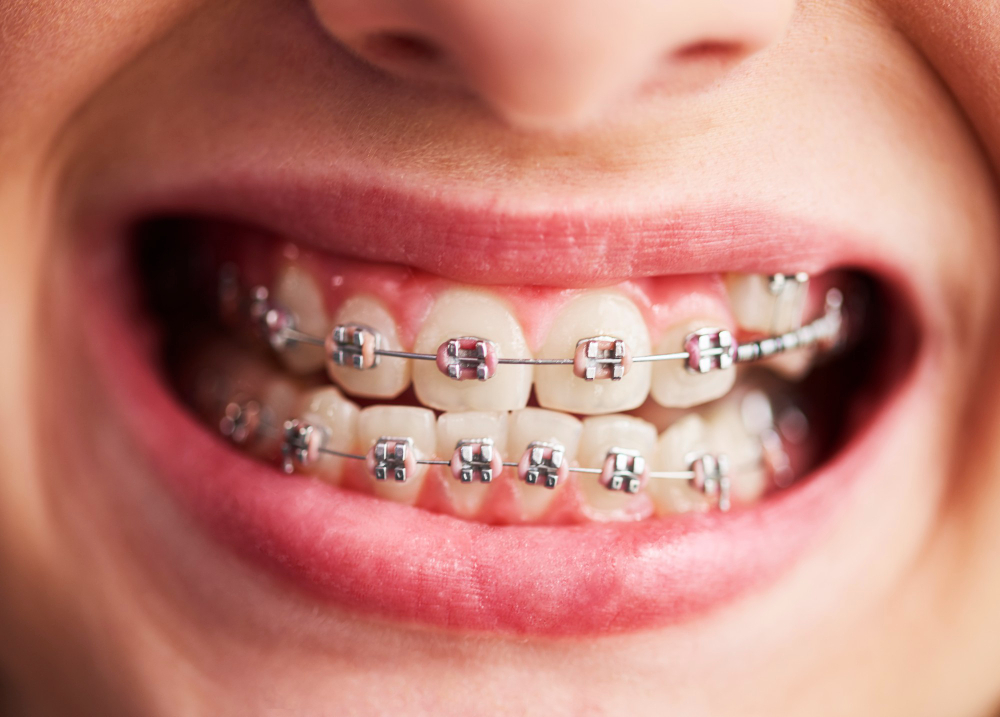
Are you thinking about getting braces? Braces can help you achieve a healthier smile. In this guide, you will learn about the types of braces, how braces work, and the benefits of braces. You will also find answers to common questions. Whether you want to know about braces cost in your city or how to care for your braces, this blog covers it all.
What Are Braces?
Braces are dental devices that straighten teeth and fix bite problems. Dentists or orthodontists use them to move teeth into better positions. Usually, braces have brackets, wires, and sometimes rubber bands. Over time, braces gently shift your teeth. As a result, your smile becomes healthier and more even.
Common Reasons for Getting Braces
Many people get braces for different reasons. Some of the most common reasons include:
Sometimes, dentists suggest braces to prevent future dental problems. For example, straight teeth are easier to clean and less likely to get cavities.
Types of Braces
There are several types of braces. Each type has its own benefits. Here are the most common options:
When choosing a type, think about your needs and budget. You can also ask about braces cost in your city or search for the best orthodontist near you.
How Braces Work: The Science Explained
Braces work by applying gentle, steady pressure to your teeth. Over time, this pressure moves teeth into the right place. The brackets and wires guide the teeth as they shift. Your jawbone also changes shape to support the new positions. According to the American Dental Association, this process is safe and effective when done by a trained professional.
What to Expect During Treatment
First, your dentist or orthodontist will check your teeth. Next, they will make a treatment plan. Then, they will place the braces on your teeth. You will visit the office every few weeks for adjustments. These visits help keep your treatment on track. Most people wear braces for 1 to 3 years. After the braces come off, you may need to wear a retainer to keep your teeth in place.
Caring for Your Braces: Tips and Best Practices
Good care is important for healthy teeth and gums during treatment. Here are some tips:
With proper care, you can avoid problems like cavities or gum disease.
Potential Risks and Side Effects
Braces are safe for most people. However, some risks and side effects can occur. These may include:
If you notice any problems, contact your dentist or orthodontist right away. Early care can prevent bigger issues.
Benefits of Braces for Oral Health
Braces offer many benefits for your teeth and gums. Some of the main benefits are:
According to the CDC and dental journals, straight teeth can improve your overall health. In addition, a healthy smile can boost your confidence.
Frequently Asked Questions About Braces
Ready for a healthier smile? Consult a qualified dentist or orthodontist at Smileton Dental for personalized advice about braces.