
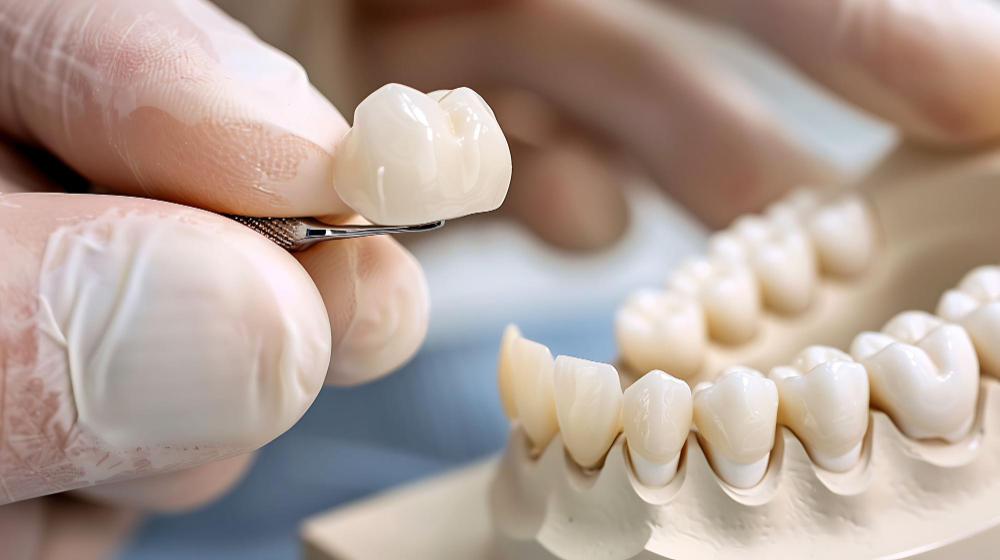
Introduction: What Are Dental Crowns?
Dental crowns are tooth-shaped caps placed over damaged or weak teeth. They help restore the tooth’s shape, size, and strength. Often, dental crowns improve how your teeth look and function. Because they cover the entire visible part of a tooth, crowns offer strong protection. Many people need dental crowns to save teeth and keep their smiles healthy.
Symptoms and Dental Issues That May Require Crowns
Sometimes, teeth become weak or damaged. In these cases, dental crowns may be needed. Common signs and dental problems that may lead to crowns include:
For example, if you have pain when biting or notice a chipped tooth, a crown might help. Early treatment can prevent further damage.
Causes and Risk Factors Leading to the Need for Dental Crowns
Many factors can damage your teeth and increase the need for dental crowns. Some common causes and risks include:
Additionally, some people have weaker enamel due to genetics. Over time, these risks can make teeth more likely to need crowns.
Diagnosis and Assessment Process for Dental Crowns
First, your dentist will examine your teeth. They may ask about pain, sensitivity, or past dental work. Next, X-rays help check the tooth’s roots and surrounding bone. If the tooth is badly damaged but can be saved, your dentist may suggest a crown. Sometimes, other treatments like fillings or veneers are considered. However, crowns are chosen when extra strength is needed.
Step-by-Step Explanation of the Dental Crown Procedure
The dental crown procedure usually takes two visits. Here’s what you can expect:
Usually, the process is simple and causes little discomfort. Your dentist will explain each step.
Types of Dental Crowns: Materials, Pros, and Cons
There are several types of dental crowns. Each material has benefits and drawbacks. Common types include:
Your dentist will help you choose the best type based on your needs and budget.
Aftercare Tips and Lifestyle Guidance for Dental Crown Maintenance
Proper care helps your dental crowns last longer. Here are some aftercare tips:
In addition, avoid sticky or chewy foods right after getting a crown. Good habits keep your crown and natural teeth healthy.
Prevention Tips to Avoid Needing Dental Crowns in the Future
Although dental crowns are helpful, it is best to prevent tooth damage. To lower your risk, try these tips:
With these habits, you can protect your teeth and avoid needing crowns.
Frequently Asked Questions About Dental Crowns
For more details, ask your dentist about your specific needs.
Consult a dental specialist at Smileton Dental for personalized advice about dental crowns.