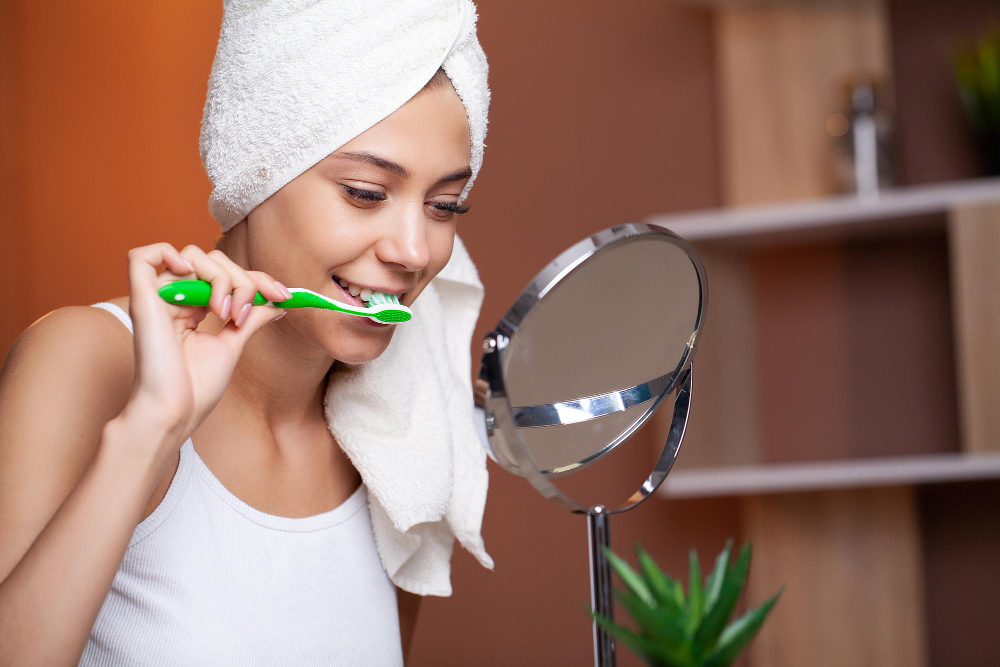
Good oral health starts with the right brushing techniques. Brushing your teeth the correct way helps remove plaque, prevent cavities, and keep your smile bright. In this guide, you will learn about proper brushing techniques, why they matter, and how to brush teeth properly. Let’s explore the best brushing methods and oral hygiene tips for a healthy mouth.
What Are Proper Brushing Techniques?
Proper brushing techniques mean cleaning your teeth in a way that removes food and plaque without harming your gums. For example, using gentle, circular motions is better than scrubbing hard. The American Dental Association (ADA) recommends brushing for two minutes, twice a day, with a soft-bristled toothbrush. This method helps keep your teeth and gums healthy.
Why Correct Brushing Matters
Brushing the right way does more than just clean your teeth. It helps prevent tooth decay, gum disease, and bad breath. Also, correct brushing protects your gums from damage. If you brush too hard or use the wrong method, you might hurt your gums or wear down your teeth. Therefore, learning the best brushing method is important for everyone.
Step-by-Step Guide to Effective Brushing
Follow these steps to brush your teeth properly:
Remember, brushing should take about two minutes each time.
Common Mistakes to Avoid
Many people make simple mistakes while brushing. However, you can avoid these with a few tips:
By avoiding these mistakes, you can improve your oral hygiene.
Tips for Different Age Groups
Brushing techniques can vary by age. Here are some tips for each group:
Each group can benefit from the best brushing methods for their needs.
How Often Should You Brush?
Most experts, including the ADA, say you should brush your teeth at least twice a day. Once in the morning and once before bed is ideal. If you eat sugary foods, brushing after meals can help. However, wait at least 30 minutes after eating acidic foods before brushing. This helps protect your tooth enamel.
Choosing the Right Toothbrush and Toothpaste
Picking the right tools makes a big difference. Here’s what to look for:
Always replace your toothbrush when the bristles look worn.
Prevention and Maintenance Tips
Besides brushing, there are other ways to keep your mouth healthy. At Smileton Dental, you’re encouraged to floss daily to remove food between teeth, drink plenty of water to wash away food and bacteria, and visit your dentist regularly for check-ups and cleanings. A balanced diet with less sugar also supports healthy teeth and gums.
In summary, using the right brushing techniques is crucial for better oral health. For personalised advice on brushing techniques and oral care, consult your dentist at Smileton Dental.