
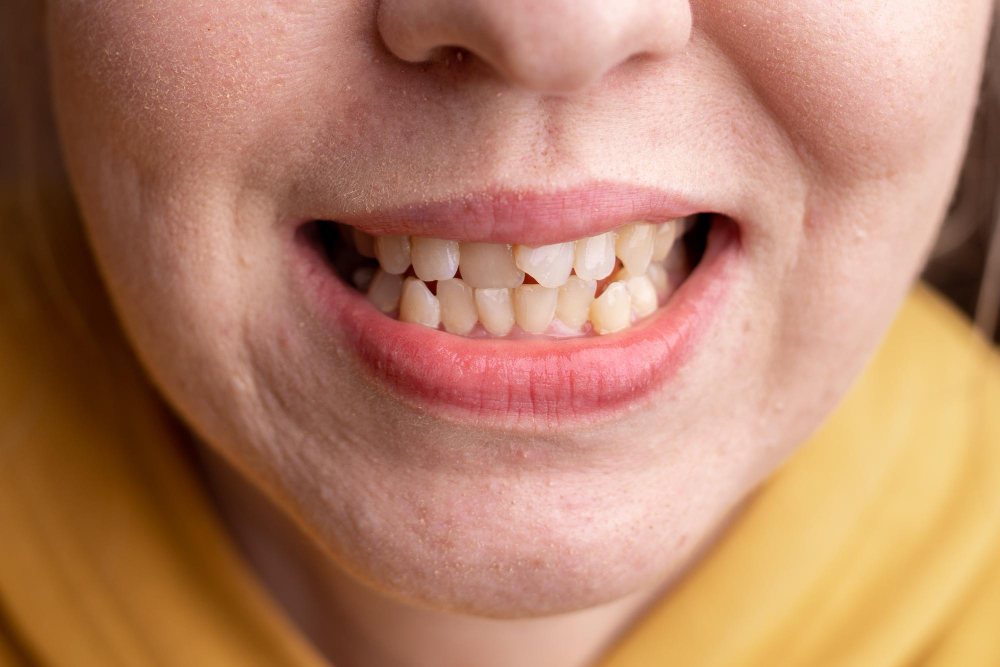
What is Malocclusion?
Malocclusion is a dental condition where the teeth do not fit together properly when you bite. This can happen if your teeth are crowded, crooked, or if your upper and lower jaws do not line up. Because of this, malocclusion can affect both children and adults. Dentists often call it a “bad bite.” Early detection can help prevent further dental issues. According to the World Health Organization (WHO), malocclusion is one of the most common dental problems worldwide.
Common Symptoms of Malocclusion
Malocclusion symptoms can vary from mild to severe. Sometimes, people may not notice any problems. However, many experience signs that affect daily life. For example, you might notice:
In addition, some people may have headaches or jaw clicking. If you notice these malocclusion symptoms in adults and children, it is important to seek dental advice.
Causes and Risk Factors
Several factors can lead to malocclusion. Sometimes, it runs in families. Other times, habits or health conditions play a role. Common causes include:
Additionally, certain medical conditions, like cleft lip or palate, can increase the risk. Because of these factors, regular dental checkups are important for early detection.
How Malocclusion is Diagnosed
Dentists use several steps to diagnose malocclusion. First, they will ask about your dental history. Next, they will examine your mouth, teeth, and jaw alignment. Often, they use X-rays to see how your teeth and jaws fit together. In some cases, dentists may make molds of your teeth. This helps them plan the best malocclusion treatment options for you. Early diagnosis can make treatment easier and more effective.
Treatment Options for Malocclusion
There are many ways to fix malocclusion. The right treatment depends on your age, the type of malocclusion, and its severity. Common malocclusion treatment options include:
In addition, early treatment in children can prevent more serious problems later. Your dentist will explain which option is best for you. If you are looking for malocclusion treatment in your area, many dental clinics offer these services.
Prevention and Lifestyle Tips
While not all cases of malocclusion can be prevented, some steps can help reduce the risk. For example:
Moreover, healthy habits can support proper jaw and tooth development. Early dental visits are key for children.
When to See a Dentist
If you notice signs of malocclusion, it is important to see a dentist. Early treatment can prevent further problems. You should make an appointment if you or your child have:
Remember, a dental specialist can provide the best advice on how to fix malocclusion. They will help you choose the right treatment for your needs.
In summary, malocclusion is a common dental problem that can affect your health and confidence. However, with early diagnosis and the right treatment, most people can achieve a healthy, comfortable bite. Consult Smileton Dental for personalized advice on malocclusion.