
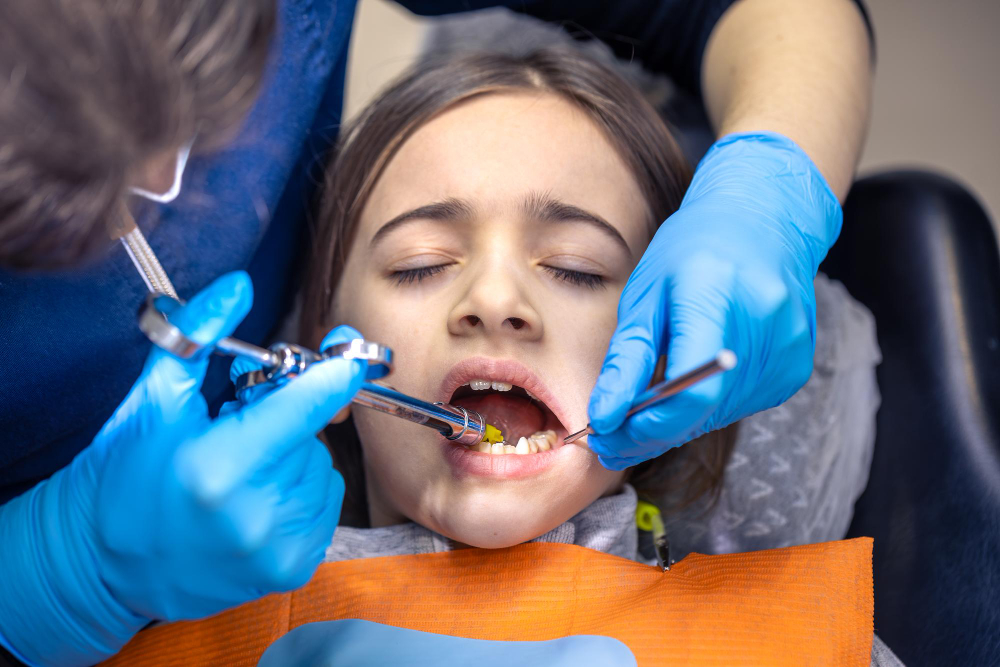
What is Nursing Bottle Caries?
Nursing bottle caries is a common dental problem in young children. It is also called baby bottle tooth decay or early childhood caries. This condition happens when a child’s teeth get damaged from frequent exposure to sugary liquids. These liquids include milk, formula, or juice. Over time, the sugar feeds bacteria in the mouth. As a result, these bacteria make acids that harm the teeth. Nursing bottle caries can affect any baby or toddler who uses a bottle or sippy cup, especially at bedtime or naptime.
Causes of Nursing Bottle Caries
Many factors can lead to nursing bottle caries. However, the main cause is frequent and long-term contact with sugary drinks. Here are some common causes:
Because these habits allow sugar to stay on the teeth, bacteria can grow and cause decay. According to the CDC, early childhood caries is one of the most common chronic diseases in children.
Symptoms and Signs
Early signs of nursing bottle caries can be easy to miss. Still, it is important to watch for changes in your child’s teeth. Common symptoms include:
As the decay gets worse, your child may have trouble eating or sleeping. In some cases, the gums may swell or bleed.
Diagnosis
If you notice any signs of baby bottle tooth decay, you should visit a dentist. The dentist will check your child’s mouth and teeth. Often, a simple visual exam is enough to spot early childhood caries. Sometimes, the dentist may use special tools or X-rays to see how deep the decay is. Early diagnosis helps prevent more serious problems later.
Treatment Options
Treatment for nursing bottle caries depends on how severe the decay is. For mild cases, the dentist may suggest:
For more advanced cases, treatment may include:
Because untreated decay can lead to pain and infection, early treatment is important. The American Academy of Pediatric Dentistry recommends seeing a dentist by your child’s first birthday.
Prevention Tips
Preventing nursing bottle caries is possible with a few simple steps. Here are some tips to help protect your child’s teeth:
Because good habits start early, teaching your child about oral care can make a big difference.
Lifestyle and Oral Care Guidance for Parents
Parents play a key role in preventing early childhood caries. For example, you can:
Additionally, avoid sharing utensils or cleaning pacifiers with your mouth. This helps prevent the spread of harmful bacteria.
When to See a Dentist
It is important to see a dentist if you notice any signs of nursing bottle caries. However, even if your child’s teeth look healthy, regular dental visits are important. The American Dental Association suggests a first dental visit by age one. Early visits help catch problems before they get worse. If your child has pain, swelling, or trouble eating, seek dental care right away at Smileton Dental.
If you suspect nursing bottle caries in your child, consult Smileton Dental for personalized advice. Early action can protect your child’s smile for years to come.